 ForsaEduforsaedu.com
About the scholarship program
The Max Planck Society, one of the world's leading research organizations with more than 80 institutes in Germany, offers international researchers funded doctoral opportunities through the International Max Planck Research Schools (IMPRS) and other programs, usually as employment contracts or monthly stipends, alongside postdoctoral positions. You apply directly to the institute or research school according to its deadlines.
Available programmes
Each programme has its own requirements, documents and benefits. Open it to see them in full with the application steps:
- View Details
International Max Planck Research Schools (IMPRS) Doctoral Positions
PhDFully Funded5 majorsDeadline varies by university or programme
Life and living
Germany
Life and living
Germany
Studying and living in Germany
Costs and living
Tuition: • No tuition at public universities in 14 states for bachelor’s, consecutive master’s and doctorates; students only pay the semester contribution (about €100–350 per semester, often including a transport ticket). • Baden-Württemberg (e.g. Heidelberg, Stuttgart, Freiburg, KIT): €1,500 per semester for non-EU students. • Technical University of Munich (TUM): €2,000–3,000 per semester for bachelor’s and €4,000–6,000 for master’s (rising from winter 2027/28). • Doctorates are tuition-free in every state. Living: proof of €992 a month (€11,904 a year) is required, usually through a blocked account (Sperrkonto). Students typically spend about €850–1,100 a month depending on the city (Munich and Hamburg are more expensive). Statutory student health insurance costs about €120–140 a month.
Working while studying
International students may work 140 full days or 280 half days a year without approval from the Federal Employment Agency, and up to 20 hours a week during the lecture period. Student assistant jobs at the university do not count towards this limit. After graduation: a residence permit of up to 18 months to look for a job matching your qualification, then a switch to a skilled-worker permit or the EU Blue Card.
Last verified: October 2026· Source
Guide to studying in GermanyFrequently Asked Questions (FAQ)
Key questions and answers regarding eligibility, documents, and application steps.
Funding type: Fully Funded. Announced benefits: Doctoral funding contract (TVöD-based), No tuition fees, Full German Social & Health Coverage.
Deadline varies by university or programme. Follow the official website for updates.
Required documents: Master Thesis Summary & Publications, Academic Curriculum Vitae.
Apply directly on the official website: https://www.mpg.de. ForsaEdu does not receive applications or charge any fee.
Track your academic readiness
Use the checklist in your profile to prepare your documents and make sure you meet this scholarship’s requirements.
Open readiness checklistSimilar scholarships
 Germany
DAAD Scholarship
The German Academic Exchange Service (DAAD) is Germany's largest scholarship provider, offering dozens of programs for international students and researchers — mainly for master's, doctoral studies and research stays. Scholarships usually include a monthly stipend, health insurance and a travel…
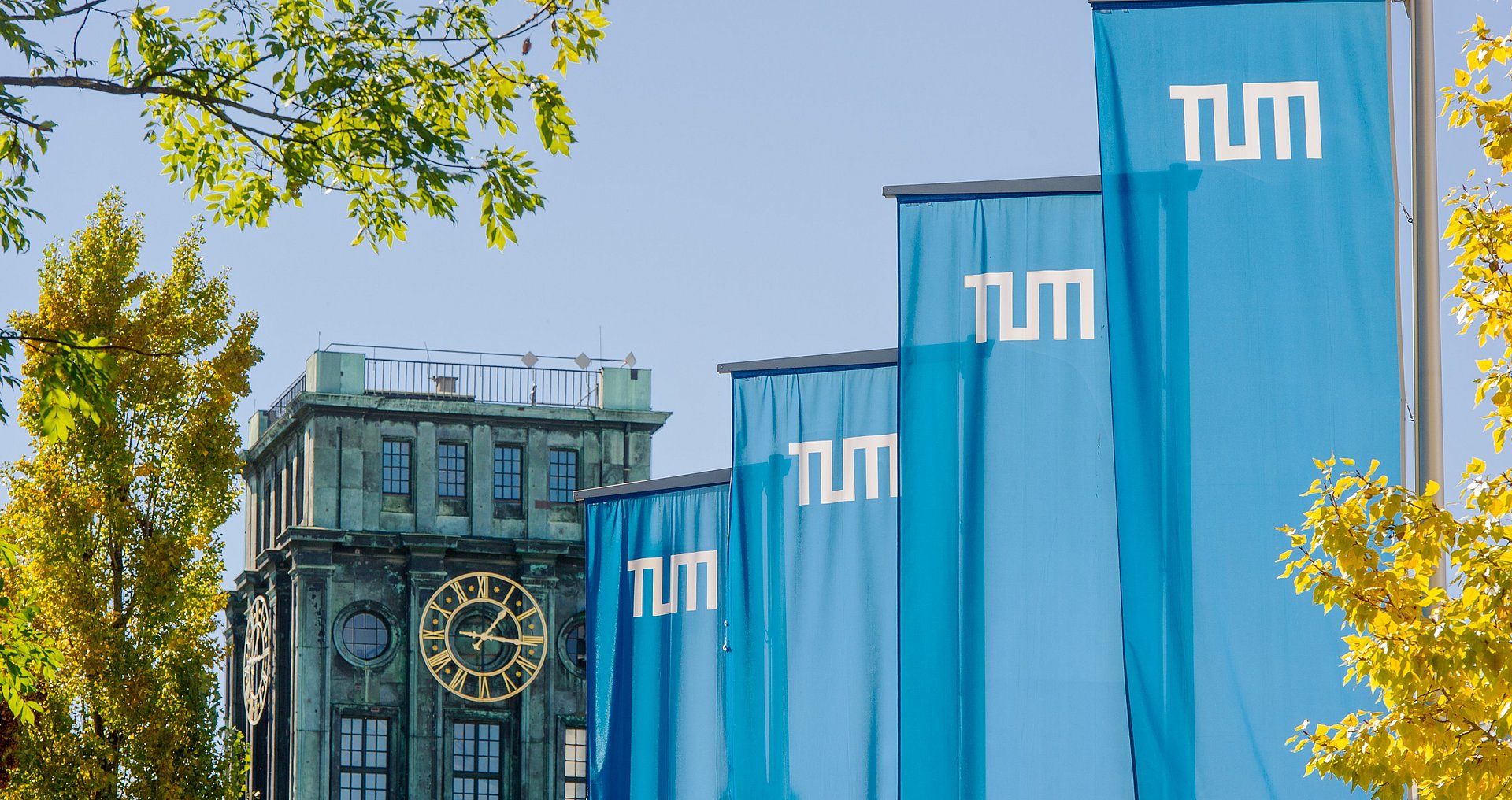 GermanyQS #22
Technical University of Munich
The Technical University of Munich (TUM) is one of Europe's top technical universities and offers students awards such as the Deutschlandstipendium national scholarship and TUM scholarships for high-achieving and international students. Awards are usually based on academic merit and social…
 Germany
Chemnitz University of Technology
Chemnitz University of Technology in Germany offers international students several forms of support, including performance scholarships funded through programs such as the DAAD's STIBET and the Deutschlandstipendium, plus completion grants for students in the final phase of their studies. Awards…